.svg)
Readers are advised the following article contains photos of Aboriginal and/or Torres Strait Islander peoples.
About 18 months before the 2025 INCITE Awards, a small but determined team from Curtin University was quietly working with communities across the Pilbara.
It’s no secret that people in the Pilbara face unique health challenges. Health outcomes across the region are generally poorer than in metropolitan areas, with Aboriginal communities disproportionately affected. Rates of chronic illnesses like heart disease, diabetes and kidney failure remain significantly higher than the national average.
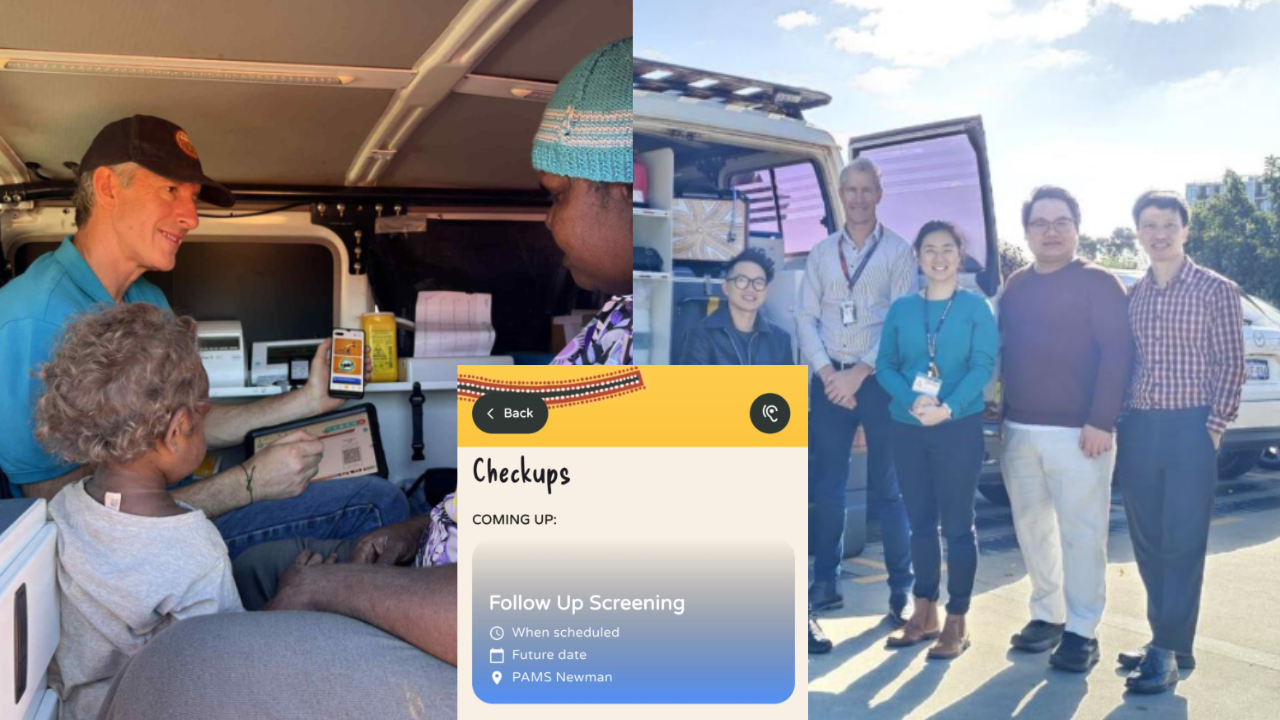
Healthy connections: Professor Andrew Maiorana on Country in Punmu in the Pilbara (left); Professor Maiorana with Curtin University Electrical Engineering, Computing and Mathematical Sciences (EECMS) team members Associate Professor Susannah Soon, Associate Professor Sonny Pham, Henry Truong and Jim Hie Ling in East Pilbara (right); Insent: How the Kawu Palya app appears to users.
At the start, the Curtin team focused on clinical needs - how to help healthcare providers make sense of patient data. But as they spent time On Country and listened to local voices, they saw something bigger: a gap in understanding.
“People feel a bit uncomfortable coming into the clinic and talking to clinicians, and also experience barriers in communication,” explained Associate Professor Susannah Soon of Curtin University.
That realisation sparked a turning point. Susannah and her colleagues from Curtin’s School of Electrical Engineering, Computing and Mathematical Sciences and School of Allied Health - including First Nations researchers - knew they had to take a different approach.
They set out to co-design something that the community wanted and importantly something that would help people take control of their own health journeys.
That’s how Kawu Palya - a patient-facing health app built with and for Pilbara communities - was born.
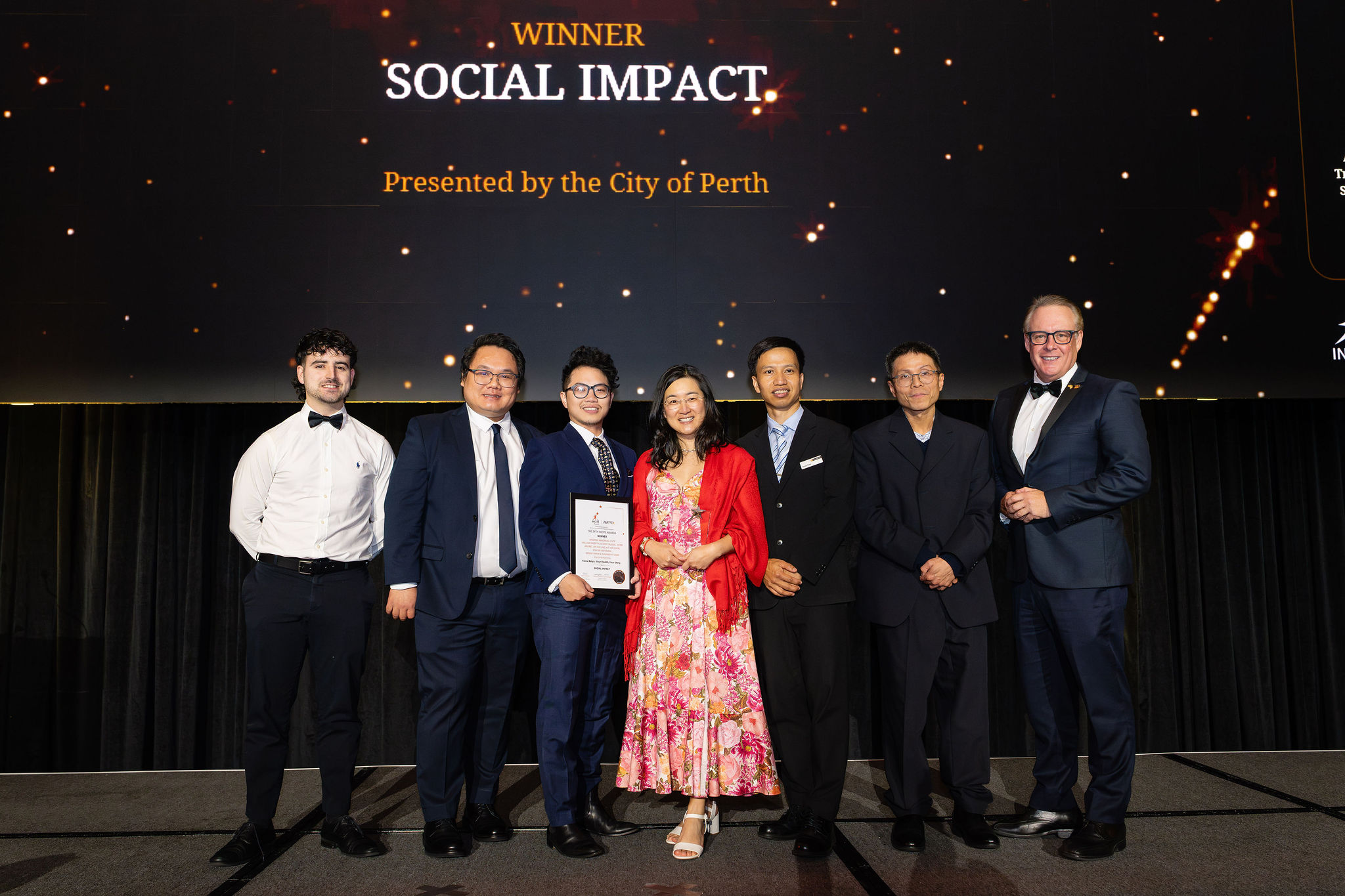
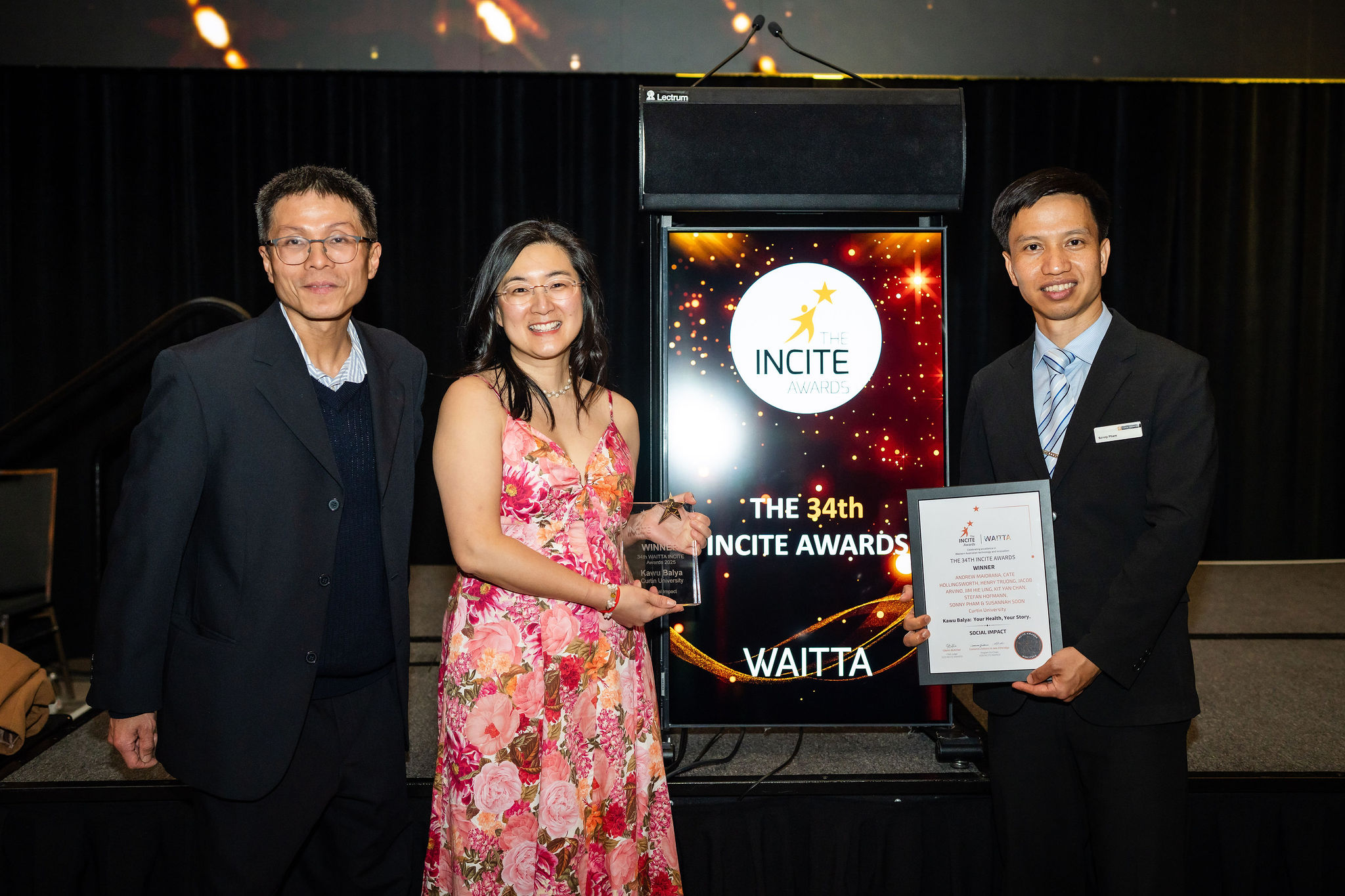
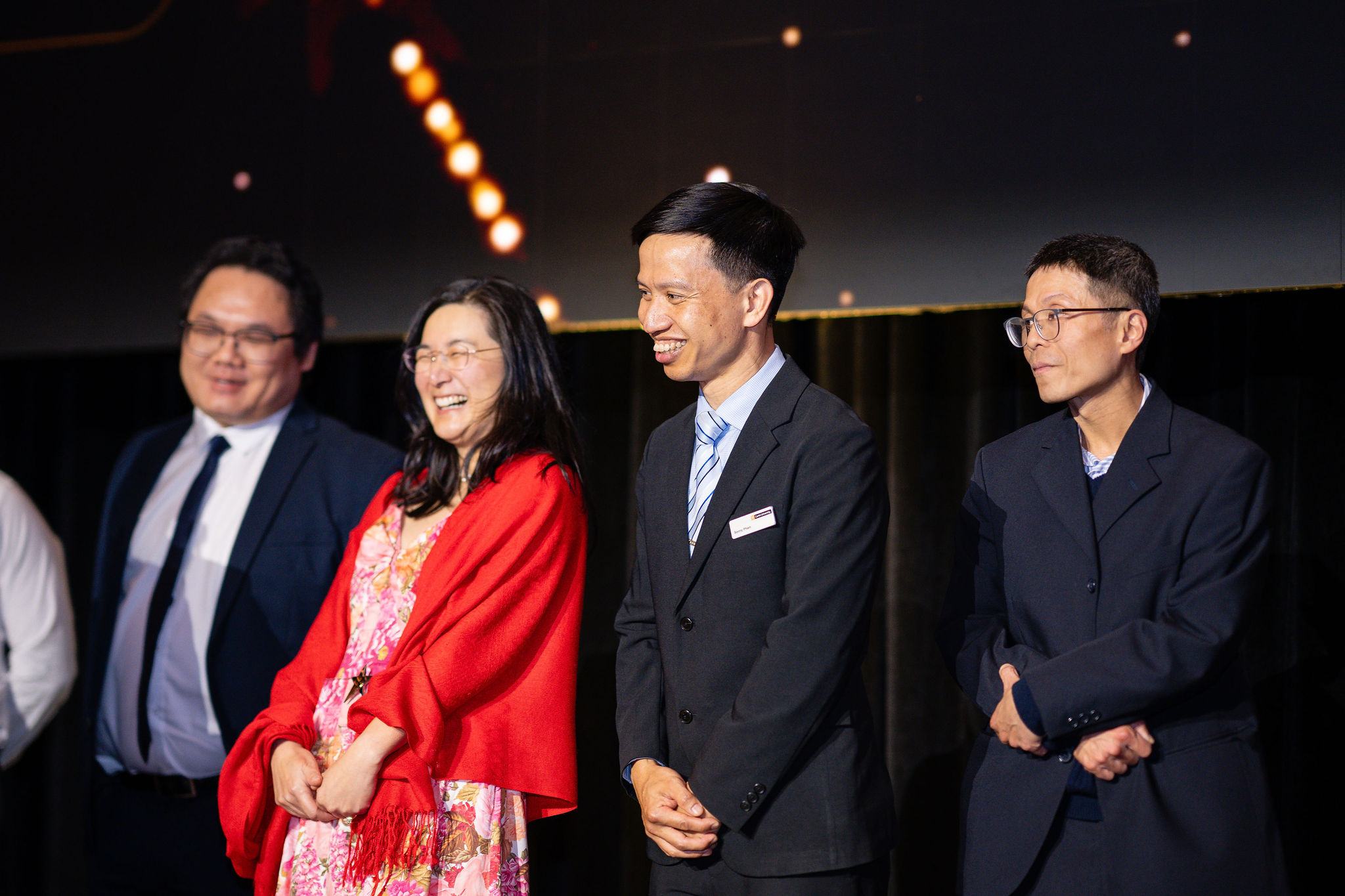
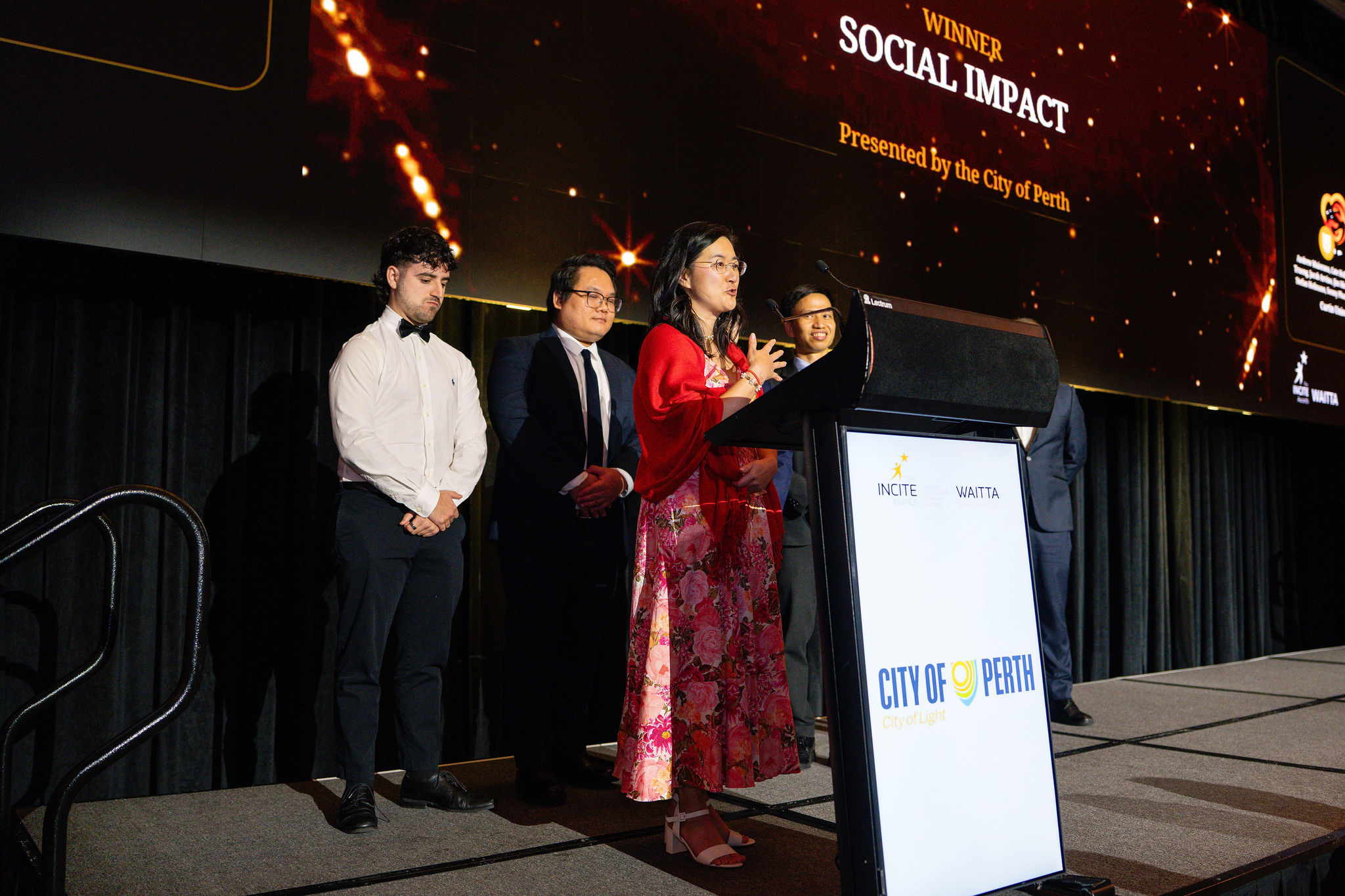
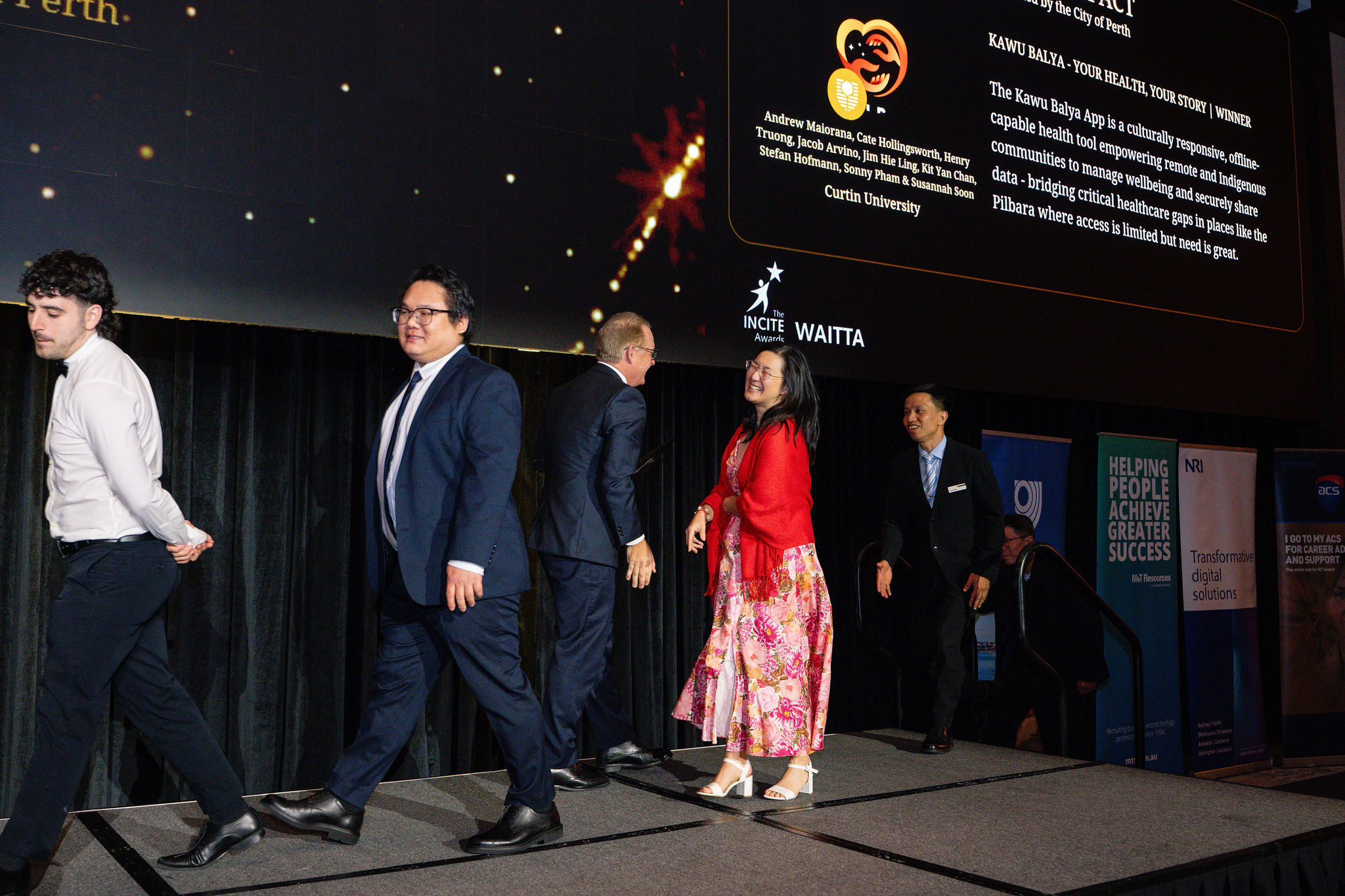
Celebrating impact: Some of the Kawu Palya team at the 34th INCITE Awards where the app won the 2025 Social Impact Award.
The award was presented by City of Perth Lord Mayor Bruce Reynolds.
The journey wasn’t easy, but the team’s efforts have earned recognition. Kawu Palya took home the Social Impact Award at the 2025 INCITE Awards — a celebration of the creativity and dedication of the students and staff behind it.
“We were really excited because we wanted to celebrate the work that we had done with the community and our students. It was a little bit unexpected because we there were so many high calibre competitors in the field and we thought that they were amazing, too. When we were named, it was quite a surprise,” Susannah shared.
This win marks back-to-back wins for this team. The group also took home the Social Impact Award in 2024 for their Healthy Connections project — the broader initiative under which Kawu Palya was developed. Sponsored by the City of Perth, the award celebrates technology that creates meaningful social change and strengthens community wellbeing.
Remote challenges: Punmu is located 1310km northeast of Perth, Western Australia.
From the start, the team understood that health technology needed to feel familiar, respectful and grounded in culture.
They consulted an Aboriginal advisor on language, imagery and design, while a First Nations graphic designer developed the visual identity — incorporating meaningful motifs, totems, and a warm colour palette.
Most importantly, they listened to feedback directly from community members through face-to-face consultations in the Pilbara.
“Input from community members helped us develop an app that was more culturally sensitive, it included a lot of familiar visual features and motifs helping community members feel more comfortable,” said Susannah.
Every detail was designed to make users feel engaged and respected, encouraging users to take ownership of their health data by using the app.
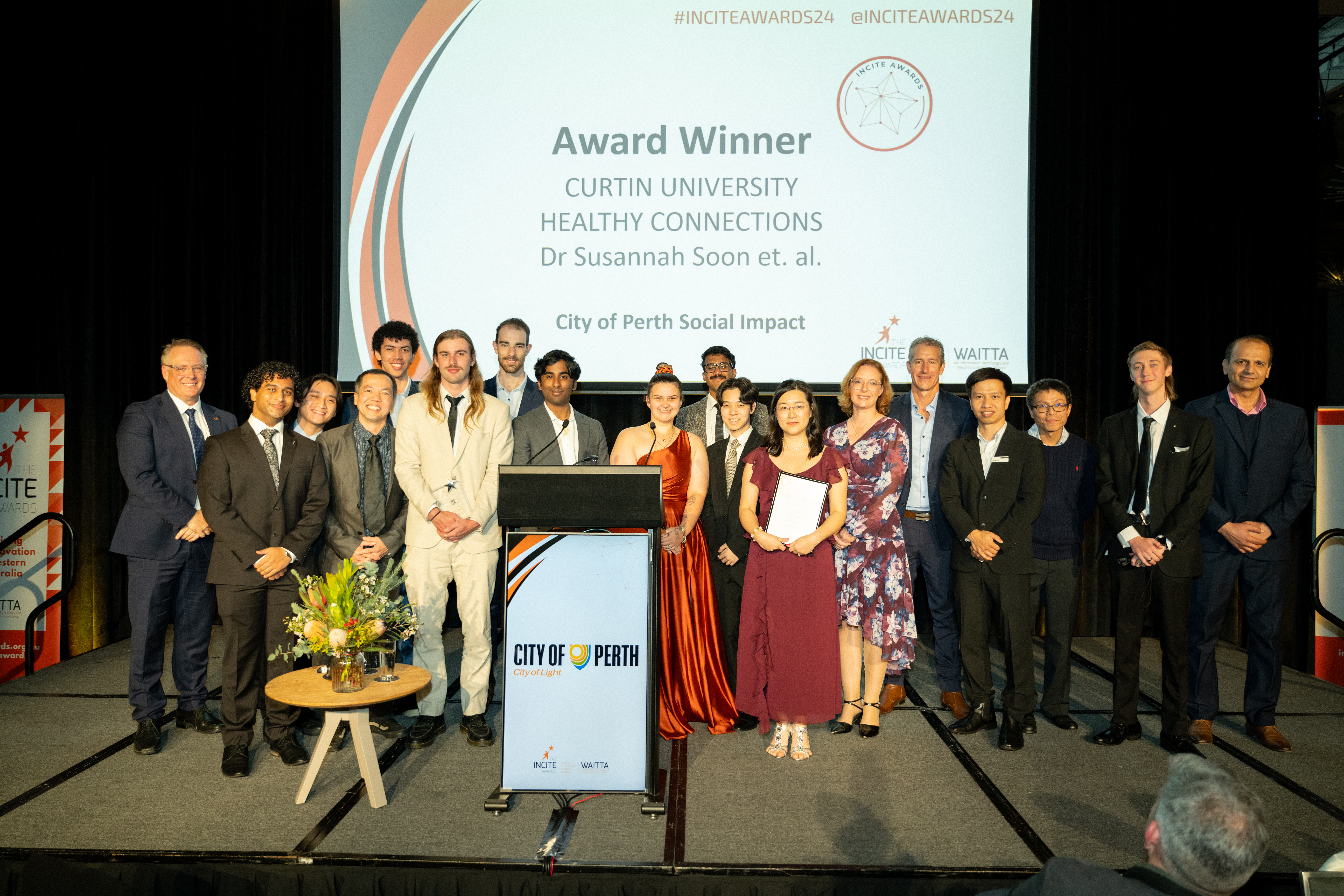
Back-to-back wins: The Curtin University team also won the Social Impact Award the year prior for the Healthy Connections project, of which Kawu Palya is a key program within. The Social Impact Award is sponsored by the City of Perth.
Working in remote regions comes with its own set of obstacles.
“The Internet is not always available to the community in remote regions,” explained team member, Curtin University Associate Professor Sonny Pham.
Kawu Palya is designed to operate fully offline and does not require Wi-Fi or an Internet connection for day-to-day use. When connectivity is available, newer versions of the app may be installed to update the software. The app is currently in beta testing and available on both iOS and Android, with an official public release planned for the app stores.
After a health check is performed, health advice can be transferred through encrypted QR codes — letting people track their wellbeing between visits.
The app isn’t just about storing information — it’s about inspiring change.
The app focuses on practical goals: moving more, eating nutritious foods, cutting back on junk food, maintaining good hygiene, and following culturally relevant health advice. Every feature was informed by research and consultation with First Nations communities.
Kawu Palya is already making a difference. Younger generations are becoming more tech-savvy, and the app’s adoption continues to grow. By blending cultural understanding with digital innovation, the project is helping Pilbara communities take greater ownership of their health and build sustainable habits for the future.
“Kawu Palya tells a story of listening, learning and designing with purpose,” Sonny said. “It’s proof that when technology meets culture, it can empower communities and create lasting impact.”
What began as a local research project has become a model for how technology can connect people, culture and care. For the Kawu Palya team, the recognition is a reminder of what’s possible when innovation starts with listening — and when Western Australian ingenuity is driven by community purpose.
Kawu Palya was developed by a multidisciplinary team from Curtin University’s School of Electrical Engineering, Computing and Mathematical Sciences and School of Allied Health. The project brought together students, researchers and community advisors — including Aboriginal collaborators — to design technology that supports better health literacy and communication in regional Western Australia.
The team received the Social Impact Award at the 2025 INCITE Awards, recognising their commitment to co-design, cultural sensitivity and real-world community outcomes.



INCITE Awards
INCITE Awards
INCITE Awards
.png)